
Reducing Surplus Food Waste and making it available to all
2023-12-13 • No comments • • Eastern Perthshire
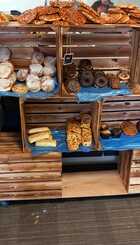
Our project collects surplus food from the Blairgowrie Tesco, Sainsburys, Lidl and 2 Co-op supermarkets and utilises it in several ways:
Saturday & Wednesday lunch clubs, Home cooked frozen meals, Surplus food store and Community larders
Over the past 2 years we have saved over 100 tonnes of food from going to waste. The store is open to all and offers surplus food for free or a donation to help with running costs and hance has a major impact on reducing waste as well as dramatically redcuing food purchase bills for locals.
We are applying for funding to help with the running costs of the BaRI Building which houses our store but also is a base for local mental health support provided by service providers as well as a meeting place for community groups etc. Running the building costs:
£12,500 rent £7,400 electricity
The store is open 4 times per week with people in the building to setup, run and close totalling 12 hours per week hence around 1/3 of working week. We are applying for £3,000 to help cover the rent and utilities to allow us to continue to reduce surplus food.
Rooted in Blairgowrie & Rattray - A fruit tree planted for each baby born in B&R
2023-12-15 • No comments • • Eastern Perthshire
This pilot project was inspired by Blairgowrie & Rattray's new town twinning with Brebieres in France, which has a Biodiversity Park where trees are planted each year for the babies born in the town that year. The Blairgowrie & Rattray Community Council delegation that visited Brebieres was impressed by this initiative, and sees it supporting BRCC resilience, climate action and twinning endeavours. BRCC has shared it with other groups and residents in our community, who also see its multiple benefits. These include Biodiversity Blair, the Climate Cafe, Soroptimists International Perth and others. BRCC itself lacks the resources and capacity to take this idea forward. This pilot project would help to address this issue, with a view to establishing longer-term financial viability.
This project is focused on resilience and engagement, with the long-term benefits of biodiversity and food growing, bringing about cost savings as well as climate and social benefits. By planting a range of site-appropriate food-bearing trees, this project aims to help the climate by increasing local biodiversity, improving air quality, benefiting local wildlife. Trees planted for each newborn in the community will create a sense of ownership of the project with the families of our newest residents. The planting of food-bearing trees will result in free food for the community! Sites could also be chosen which will help prevent flooding, thus reducing the financial and mental impacts of these events.
This project requires research, preparation, implementation and follow-up.
During the research phase suitable sites large and small will be identified and who owns them established. Suitable food-bearing trees for the site will be identified. The number of babies born in the town (approx 130 each year) and the best method of contacting the families to confirm how many of them would like to take part in this pilot project will also be established. Any existing local projects that might include tree planting and food growing willl be identified so as to work together and not duplicate effort. A policy for future-proofing and evaluating this project would need drawing up. This would include record-keeping (what planted, where and for whom) and maintenance plans.
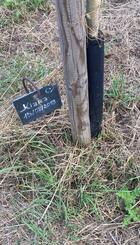
The preparation phase will see an appropriate location for the first trees selected, and permissions sought as required. Advice on appropriate food-bearing trees will be sought, and trees sourced. Soroptimists International Perth, a local group, is happy to provide funding for purchasing trees. A source of slate which could be repurposed to create commemorative name plaques, as well as a volunteer to do so, have already been identified
The implementation phase is a planting event, to which the whole community will be invited. This may involve one or more family members per tree, and other support volunteers, as well as interested members of the community. Certificates for presentation to the families.
Follow-up would include record-keeping, maintenance and evaluation as above. If the pilot project is deemed successful, plans for future funding would need to be explored.